
Gastroscopy and colonoscopy are both endoscopy procedures, but they examine different parts of the digestive tract. A clinician may recommend one or the other, or sometimes both, depending on the question they need to investigate.
This guide explains the basic difference and the questions to ask before an appointment. It cannot determine which procedure is right for you; that decision belongs with a qualified clinician who knows your symptoms and medical history.
What a gastroscopy examines
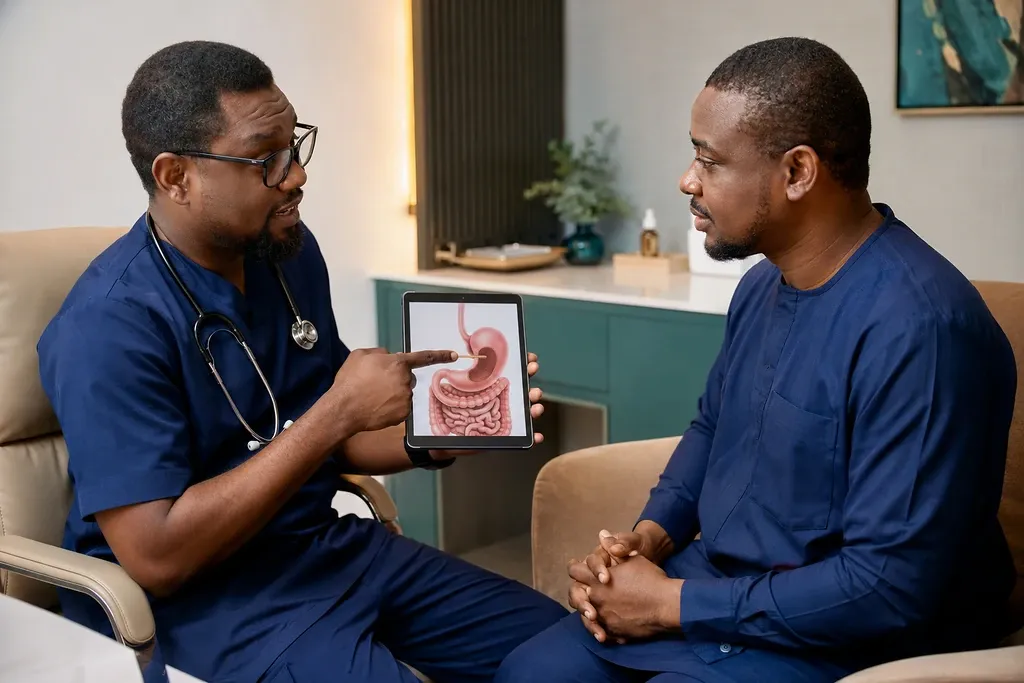
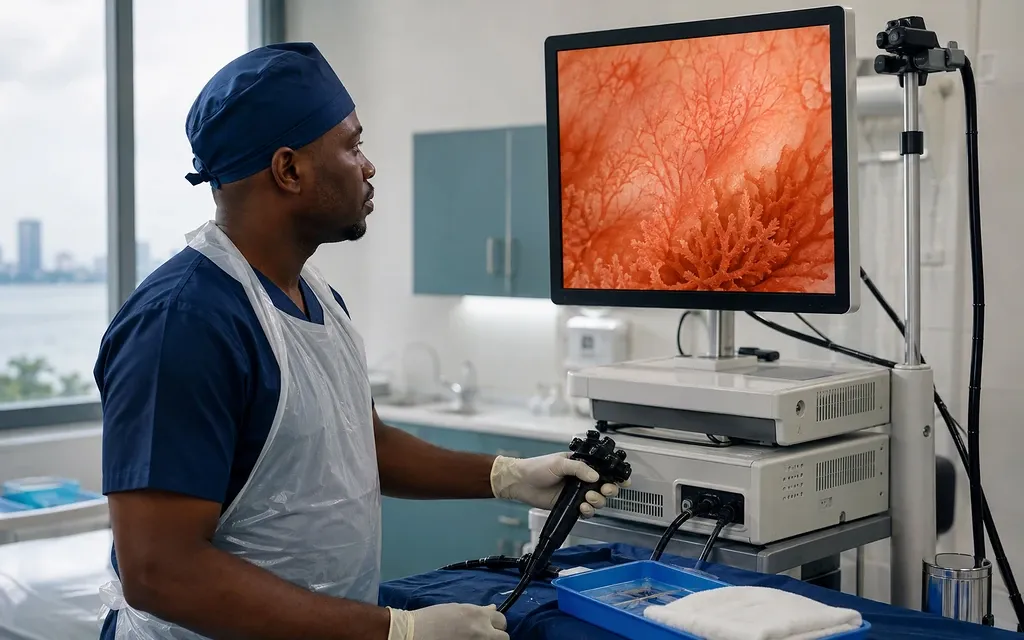
A gastroscopy, also called an upper GI endoscopy, allows a specialist to examine the lining of the oesophagus, stomach and the first part of the small intestine using a thin flexible camera passed through the mouth. It may be recommended to investigate particular upper digestive symptoms or findings.
If needed and clinically appropriate, the specialist may take a small tissue sample or carry out another procedure during the examination. Ask the clinician what they are looking for and whether any additional step may be considered in your case.
What a colonoscopy examines
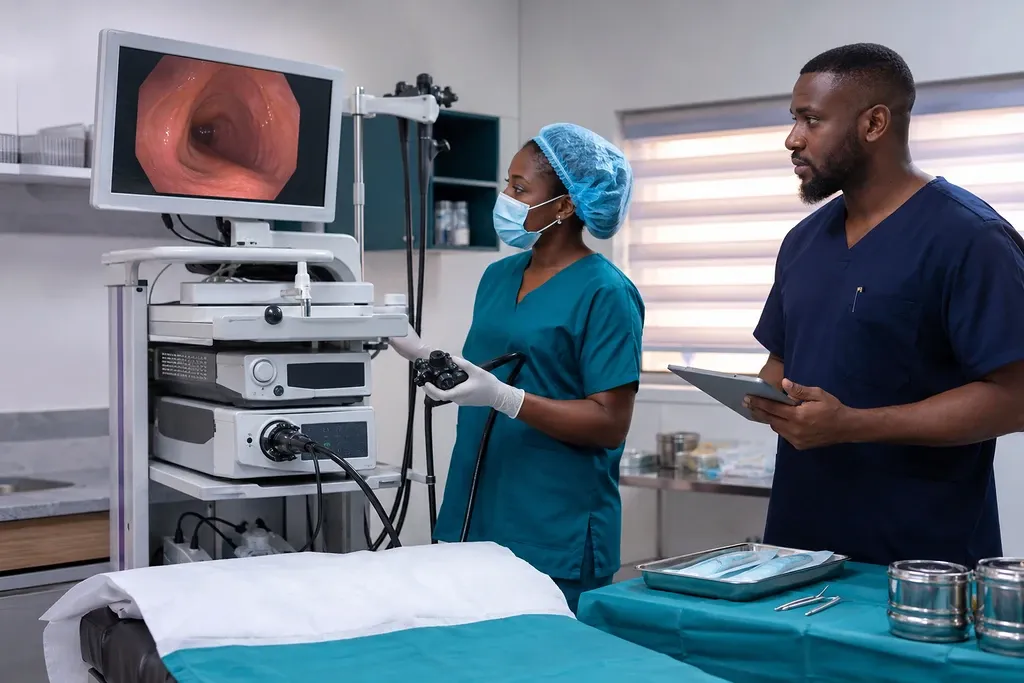
A colonoscopy examines the rectum and large bowel using a flexible camera passed through the anus. It can help a specialist investigate symptoms or examine the bowel for other clinical reasons. A tissue sample or treatment may sometimes be performed during the procedure if indicated.
Gastroscopy and colonoscopy are not interchangeable. They look at different areas and answer different clinical questions, so your clinician will advise which pathway is suitable.
Why preparation instructions differ
Preparation depends on the procedure and your circumstances. Gastroscopy instructions may include a period without food or drink; colonoscopy usually requires bowel preparation so the specialist can see the bowel lining. Exact instructions, timing and medication advice must come from the service arranging your procedure.
Do not use preparation instructions from a different hospital, an old appointment or an online article as a substitute for the directions given for your own procedure. If you take regular medicines, have diabetes, have allergies or might be pregnant, tell the team early and ask what to do.
Questions to ask before the appointment
- Which procedure has been requested, and what is it intended to examine?
- What exact food, drink and bowel-preparation instructions should I follow?
- Should I discuss any regular medicines with the clinician before the procedure?
- Will sedation or throat spray be offered, and would I need someone to accompany me?
- Where will the procedure take place, what charges apply and how will I receive the findings?
Write down your questions and bring the referral or previous results the team asks you to share. If an instruction is unclear, contact the service before starting preparation.