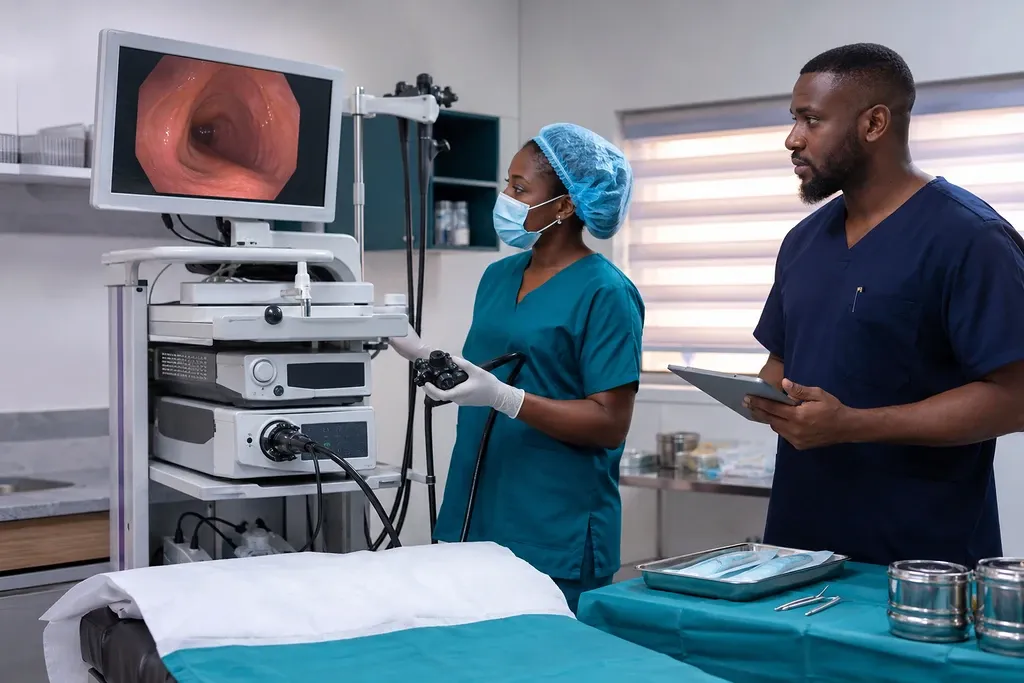

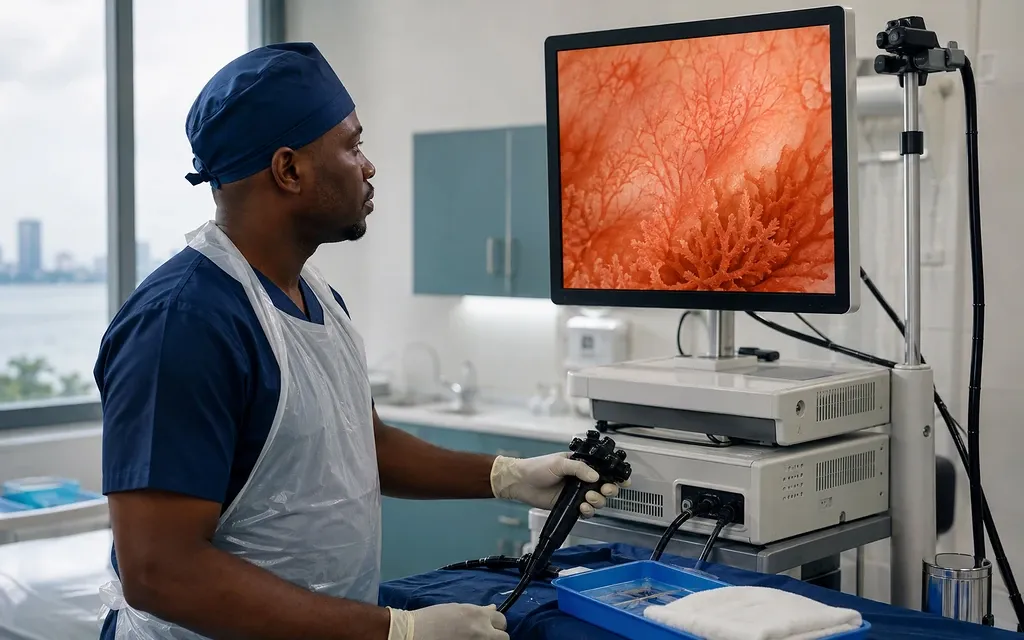
Colonoscopy lets a specialist examine the lining of the large bowel using a flexible camera. The quality of the view depends on the bowel being prepared as instructed. A clear plan for food, fluids, bowel-cleansing medicine, regular medicines and transport can make the appointment less stressful and help the team complete the examination.
Preparation varies by the procedure time, the cleansing product used and a person's health. Use the instructions issued by the endoscopy service attending to you. The notes below are a checklist of questions, not a replacement bowel-preparation prescription.
Why bowel preparation matters
The specialist needs to see the bowel lining clearly. Stool left in the colon can hide small areas, make the examination incomplete or lead the team to recommend another procedure. The bowel-cleansing medicine causes frequent bowel movements, so plan to stay close to a toilet and follow the timing on your instructions.
A poor preparation should not be treated as a personal failure. Tell the team if you could not complete the medicine, vomited, became unwell or misunderstood the schedule. Staff can advise what to do safely before you travel.
Confirm what to eat and drink
The permitted diet and clear-fluid schedule depend on the product and appointment time. Read the written instructions carefully and ask if any food, local drink or medicine is unclear. Do not substitute a different bowel-cleansing product, change the dose or start earlier because another person followed a different schedule.
Some people need specific advice about hydration or fluid limits. This is especially important if you have kidney or heart disease, are on dialysis, have diabetes, are pregnant or have previously had a reaction to bowel-preparation medicine. Tell the service about these circumstances before beginning.
Discuss medicines before the appointment
Give the endoscopy team a current medicines list, including blood thinners, diabetes tablets or insulin, iron, blood-pressure medicines, seizure medicines and supplements. Bowel preparation and fasting can affect how some medicines are taken or absorbed, and the team needs time to make a safe plan.
Do not stop an anticoagulant, insulin or any other prescribed medicine based on a general website or advice from another patient. Ask the clinician responsible for your care and write down the instructions. If you have not received a plan for a medicine that could affect bleeding or glucose, call before the procedure day.
Plan the day and sedation
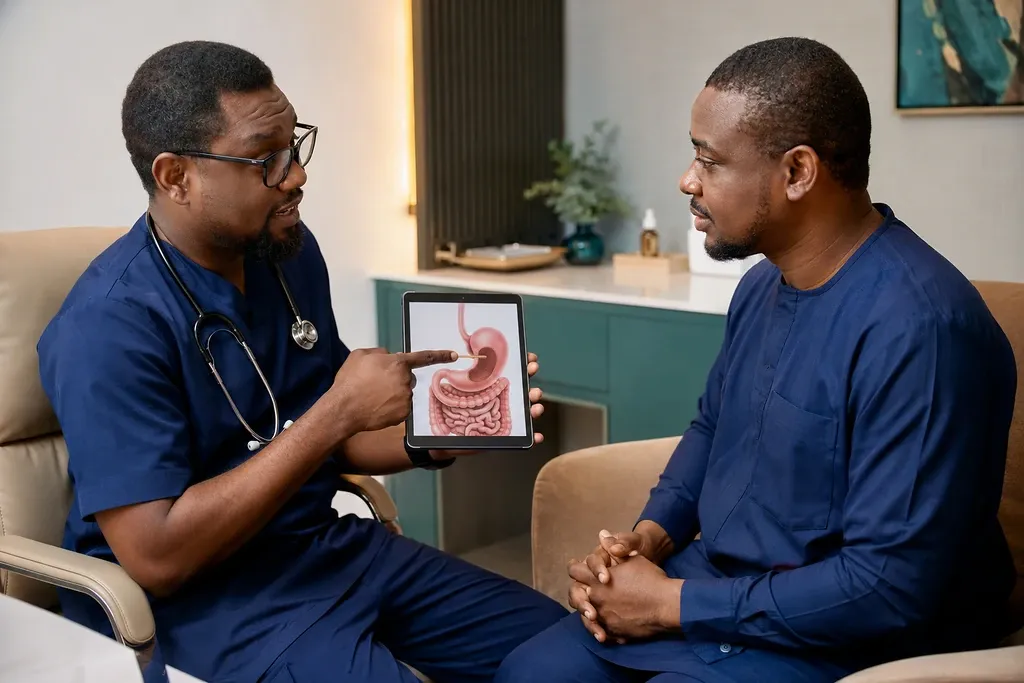
On arrival, staff usually check your health history, medicines, preparation and consent. The specialist explains the intended procedure and answers questions. A biopsy or polyp removal may be possible if needed; the endoscopist should discuss the relevant plan and consent with you.
Sedation options and policies differ by centre and clinical circumstance. If sedation is planned, ask whether an adult must accompany you home, how long you should rest and what activities to avoid afterwards. Do not arrange to drive yourself if the team says sedation makes that unsafe.
Allow time for registration and recovery. Bring identification, the referral or request, previous test reports and any paperwork the centre asked for. Keep your phone available for appointment updates.
After the procedure and getting results
The endoscopy team will explain what they saw and what happens next. If tissue samples were taken or polyps removed, the laboratory result may arrive later than the procedure report. Before leaving, confirm how and when results will be shared, who will discuss them and how to contact the service if you have a concern.
Follow the written recovery instructions. Seek urgent medical advice for severe or worsening abdominal pain, heavy bleeding, fever, persistent vomiting, fainting or another symptom the discharge team lists as urgent. Use the contact number supplied for your own procedure rather than relying on an online guide.