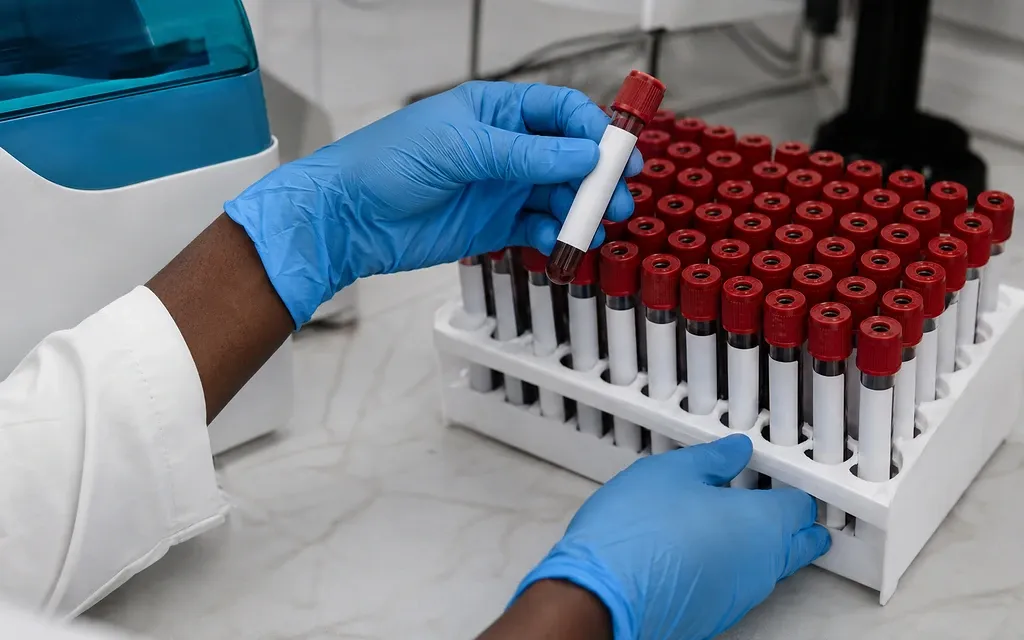


A pre-operative blood test is chosen to answer a question about a planned procedure or a person's health. There is no single blood-test package that is necessary for everyone who is having surgery. The right request depends on the operation, anaesthesia plan, symptoms, medical history and any conditions that need to be considered.
This guide explains common reasons tests may be requested and how to prepare. Your surgeon, anaesthetist or pre-assessment team should tell you which tests apply to your case and how recent results need to be.
Why tests are considered before an operation
Pre-operative tests can help the team plan anaesthesia, identify a condition that needs attention, establish a baseline or prepare for a procedure where particular risks are expected. A result is useful when it is linked to a clinical question and when someone is responsible for reviewing it.
The same test can be appropriate for one patient and unnecessary for another. The planned operation, symptoms, known conditions, examination findings and previous results all affect the decision. A test panel should not be ordered simply because a patient is having any procedure.
NICE guidance for elective surgery in adults is one example of an approach that tailors testing to the type of operation and health risks. It is written for the UK and does not replace Nigerian hospital policy or the advice from your own surgical team.
Examples of tests a clinician may request
A full blood count can provide information about haemoglobin, white cells and platelets. Kidney function and electrolytes may be considered when a condition, medicine or procedure makes those results relevant. Blood glucose or HbA1c may be useful for someone with diabetes or a concern about glucose control.
Coagulation tests may be requested when a bleeding history, liver condition or treatment plan makes them relevant. Blood group and compatibility testing may be arranged when the operation carries a possibility of transfusion or the hospital protocol requires it. The team should tell you whether the request is a blood group, screen, crossmatch or another specific test.
Other investigations, including infection markers, are guided by the procedure, clinical indication and local protocol. A test ordered for one patient should not be assumed to be required for every other patient.
Bring medicines and previous results into the discussion
Before testing, give the team a current list of prescription medicines, over-the-counter drugs, supplements and herbal preparations. Blood thinners and medicines for diabetes may affect the plan, but only the prescribing or peri-operative team can tell you whether to continue, adjust or temporarily pause them.
Bring recent laboratory results if you have them. The surgical team will decide whether they are current and suitable for the planned procedure. Do not assume an old result can be reused, and do not pay for a repeat until the team has explained what it needs.
Mention pregnancy or the possibility of pregnancy, allergies, prior anaesthesia problems, kidney or heart conditions, bleeding history and any recent infection. These details may change which tests are appropriate.
How to prepare for the blood draw
Many pre-operative blood tests do not require fasting. Some tests taken at the same visit may have specific preparation requirements, so follow the instructions attached to your own request. If the team has not told you to fast, ask before changing your usual food, fluid or medicine routine.
Take the written request, identification, medicine list and relevant previous reports. Ask where to go, when the sample should be collected, when the result will be ready and how it will reach the clinician who needs it.
If any test is outside the list you were given, pause and ask why it has been added. A clear explanation helps you understand the plan and prevents duplicate or unnecessary testing.
After the test: make sure the result is reviewed
Having a sample taken is only one part of pre-operative testing. Someone must review the result, decide whether it changes the plan and contact you if further assessment is needed. Ask which team is responsible and whether you need another appointment before surgery.
A result outside the laboratory reference range does not always mean surgery must be cancelled. The significance depends on the specific test and clinical context. Do not interpret the report alone or assume the operation can proceed without the team's review.
We provide diagnostic testing and can confirm listed prices and expected turnaround through our catalogue. Your surgical team decides which investigations are required for your operation.