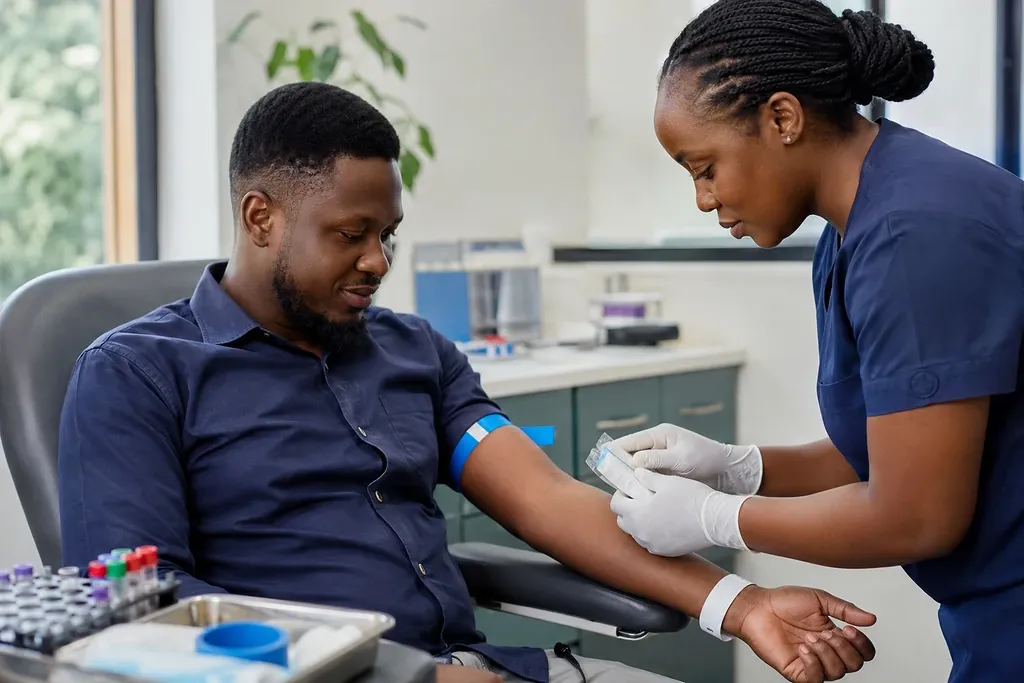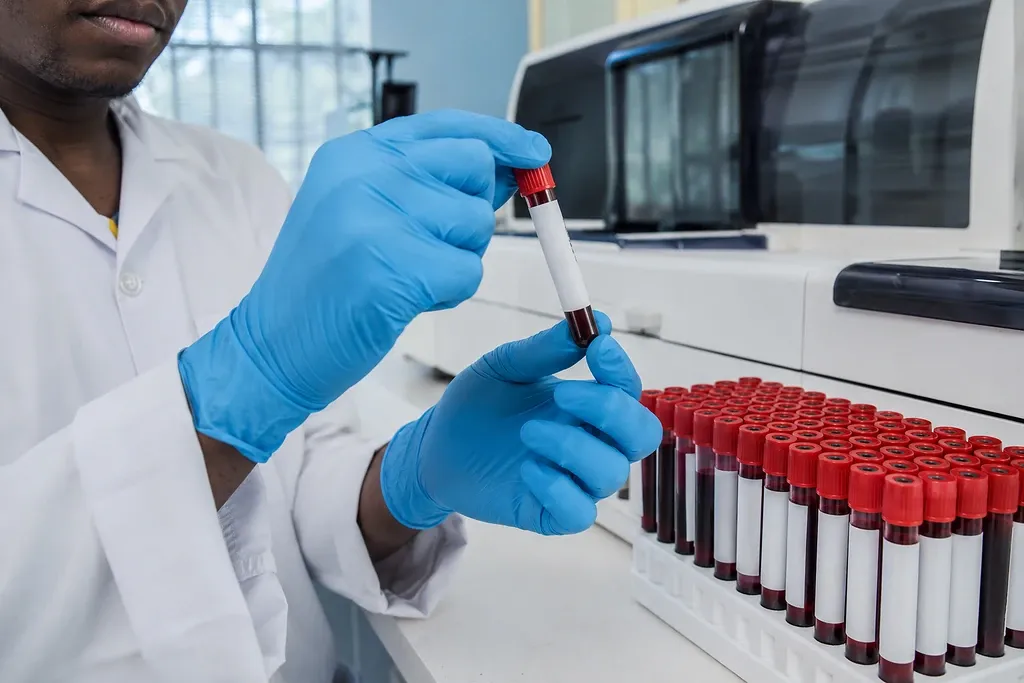

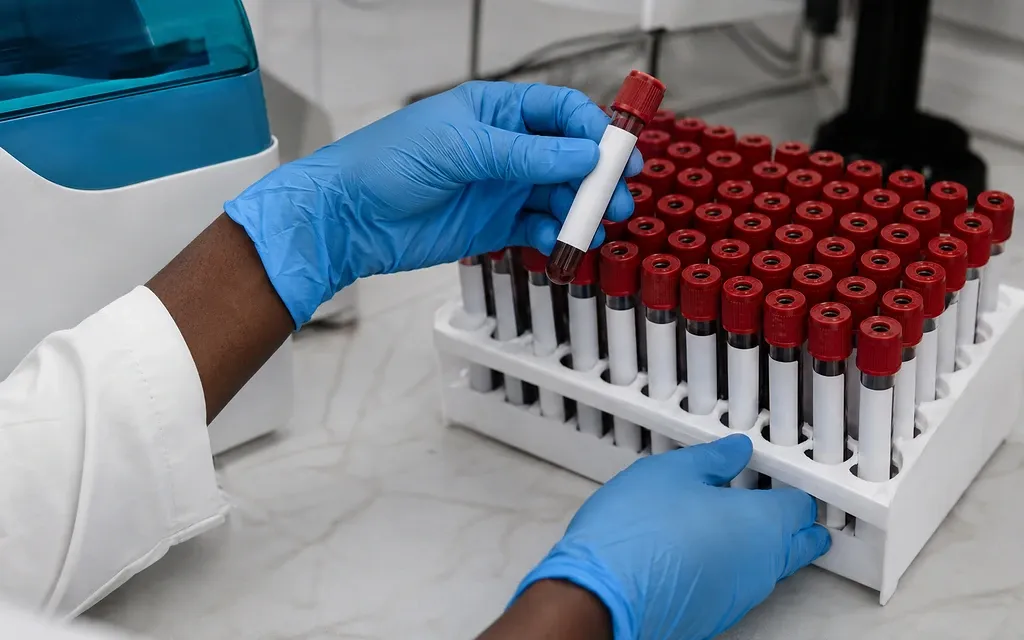
HIV screening is a way to check for evidence of HIV infection using a test designed for a particular marker. The right test and the timing of the sample both matter. A result taken very soon after a possible exposure may not answer the question yet, even when the test itself is working correctly.
This guide explains common test types, the window period, repeat testing and follow-up. It is general information; our team can confirm which test is available for your request, while a qualified clinician or counsellor should discuss personal exposure and care decisions.
The main types of HIV test
An antibody test looks for the immune response the body makes to HIV. An antigen/antibody test looks for antibodies and an HIV antigen, which can become detectable at a different time. A nucleic acid test, or NAT, looks for the virus itself in the blood and may be used in selected clinical situations.
Tests can be laboratory-based or rapid, and sample type and test design affect performance and timing. A rapid result can be available quickly, while a laboratory test may take longer to report. The specific product used in your setting is important, so ask the provider which test was performed and what its follow-up recommendation is.
A screening test is the first step in a structured algorithm. It is not a reason to diagnose yourself from a single line on a test cassette or from an online image.
Why the window period matters
The window period is the time between infection and the point when a particular test can reliably detect its marker. CDC's general ranges are 23 to 90 days for antibody tests, 18 to 90 days for rapid finger-stick antigen/antibody tests, 18 to 45 days for laboratory antigen/antibody tests using blood from a vein, and 10 to 33 days for NAT. These are general ranges, not a substitute for the exact instructions for the assay used.
If testing happens during the window period and the result is negative, follow the retesting advice given for that test and exposure. If you are unsure when to return, ask the testing provider to write down the recommended date. Taking another test too early may create false reassurance; waiting longer than advised may delay the next step.
If you have symptoms or a recent exposure, speak with a clinician. They can advise whether to test now, repeat later or use a different clinical pathway.
What a reactive result means
A reactive screening result must be followed by the confirmation steps required by the applicable national testing algorithm. Those steps establish whether the result indicates HIV infection. A screening result alone is not the final diagnosis, and the person who tested should be given a clear, confidential route to follow-up testing and counselling.
If a result is confirmed, prompt connection to HIV care matters. A clinician can explain the next investigations, treatment, prevention and support options. HIV treatment is highly effective, and people living with HIV can receive ongoing care and lead full lives.
If a result is non-reactive, interpret it in relation to the date of possible exposure, test type, any preventive medicines and the retesting guidance. A negative result does not rule out a recent exposure before the test can detect it.
If a possible exposure was recent
Post-exposure prophylaxis, or PEP, is emergency medicine for a person who may have been exposed to HIV. It needs to be assessed and started as soon as possible; current CDC guidance states that it should be started no later than 72 hours after exposure. Contact an emergency service, sexual-health clinic or qualified clinician immediately if this may apply to you.
Do not wait for a routine screening appointment or an online result to ask about PEP. A clinician will assess the type and timing of exposure, other health needs and appropriate follow-up tests.
Privacy, consent and your next step
Before testing, ask how consent is obtained, who can access the result, how it will be communicated and where follow-up support is available. A testing provider should explain what the test can and cannot tell you, and should treat your information confidentially according to its procedures.
We offer selected infectious-disease screening and can confirm which test is available for your request. Tell us if you are arranging an individual test, a donor-related pathway or screening requested by an organisation, because the purpose affects the next steps and reporting arrangements.